


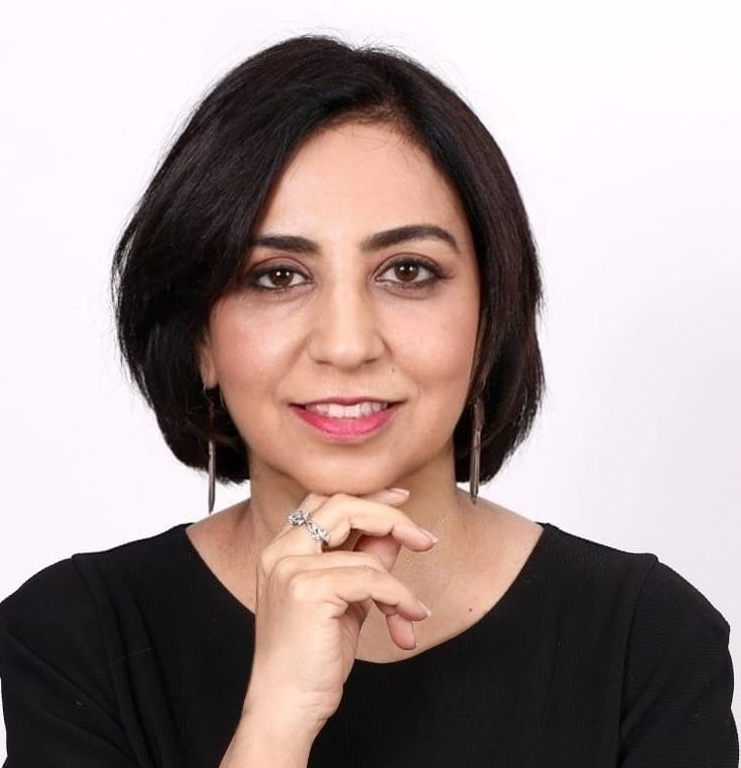
Shlomit Lir
Politics of knowledge; gender, media and technology; knowledge production in digital spaces; structural bias; media representation; Wikipedia and open knowledge initiatives; exclusion, voice, and agency of marginalized groups; the impact of digital platforms on the shaping of public narratives.
Shlomit Lir
Politics of knowledge; gender, media and technology; knowledge production in digital spaces; structural bias; media representation; Wikipedia and open knowledge initiatives; exclusion, voice, and agency of marginalized groups; the impact of digital platforms on the shaping of public narratives.
Dr. Shlomit Aharoni Lir is a researcher at the University of Haifa and Bar-Ilan University, specializing in the politics of knowledge. Her work critically examines how knowledge is produced, mediated, and shaped in digital spaces, with a focus on the intersections of gender, technology, culture, and communication. She studies power relations, structural bias, and the politicization of knowledge across online platforms and broader cultural arenas.
An award-winning scholar, Dr. Lir has published widely in leading international academic journals on social justice, digital inclusion, media representation, and the socio-technical dynamics of Wikipedia. Her research on systemic bias against Israel in English Wikipedia was presented at a UN special assembly and has contributed to international public and policy debates on digital knowledge politics. Her work also focuses on identifying and confronting knowledge poisoning, narrative manipulation, and political influence within public knowledge spaces.
Alongside her academic work, she provides strategic consulting on gender and technology, knowledge bias, open knowledge projects, and Wikipedia editing. She is a founding member of the Dvorah Forum, founder of WikiBiases, and creator of the international exhibition Manipulated History. Through research, public writing, and educational initiatives, she works to promote accountability, transparency, and ethics in open knowledge systems, strengthen critical knowledge literacy, and protect the public sphere as a space of reliable, fair, and responsible knowledge. She is the author and editor of nine books on feminist politics, gender, and cultural narratives.